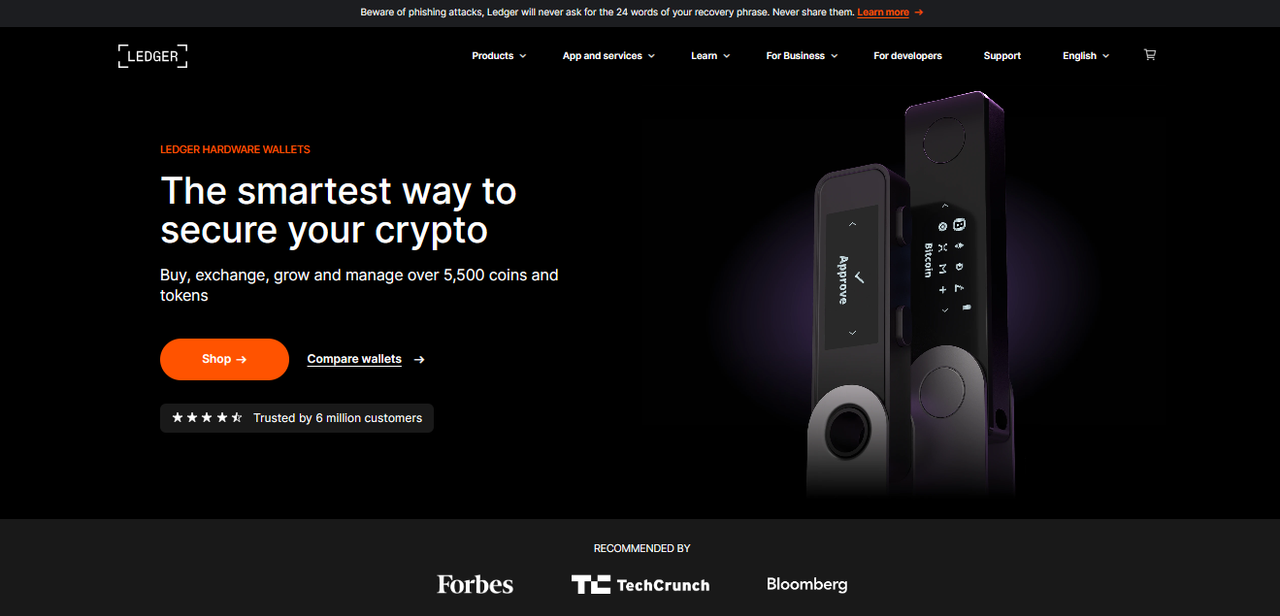
Logging in to Ledger Live is the gateway to managing your cryptocurrency securely using a Ledger hardware wallet. Ledger Live is the official application that lets you view balances, send and receive assets, stake coins, and interact with decentralized services — all while keeping your private keys protected inside your physical device. Understanding how to log in correctly and securely is essential for both new and experienced users. This guide walks you through the login process in detail, explains why Ledger Live works the way it does, and highlights best practices to protect your crypto assets.
Unlike many online platforms that require a username and password, Ledger Live does not operate with traditional login credentials. Instead, access is secured through your Ledger hardware wallet — such as the Nano X, Nano S Plus, or Ledger Stax — combined with a PIN that you set up when initializing the device. This approach ensures that your private keys never leave the secure chip inside your Ledger device, reducing the risk of unauthorized access.
Before you can log in to Ledger Live, you must install the application on your computer or mobile device. Ledger Live is available for Windows, macOS, Linux, iOS, and Android. To get started, download the correct version for your operating system from the official Ledger source, and then complete the installation process. Once installed, open the app to begin the login process. When you launch Ledger Live for the first time, the application will prompt you to connect your Ledger hardware wallet.
Connecting your device is the first step in logging in. For most devices, you will use a USB cable to connect to your computer. Some Ledger models also support Bluetooth connections for mobile devices. When your Ledger device is connected and powered on, the Ledger Live application will detect it and display prompts guiding you through accessing your accounts.
At this stage, you will need to enter your PIN directly on the Ledger device. The PIN is a four– to eight–digit code that you chose during the initial setup of the device. It protects your wallet from unauthorized access; even if someone has physical possession of your Ledger device, they cannot access your accounts without the correct PIN. When you enter the PIN on the device, the hardware wallet unlocks and allows Ledger Live to view your accounts and balances.
After entering your PIN, Ledger Live will load your accounts. These accounts represent individual cryptocurrency wallets, such as Bitcoin, Ethereum, and others that you have added through the application. Ledger Live retrieves balance and transaction data from the blockchain, giving you an up‑to‑date overview of your holdings. Because the private keys remain securely inside the Ledger hardware wallet, Ledger Live cannot send transactions on its own; it can only prepare them, and you must confirm every transaction on the device itself.
One important thing to understand about logging in to Ledger Live is that it is tied to the physical hardware wallet. There is no cloud‑based account or centralized server storing your login credentials. This means you cannot “log in” from a different computer or phone without your Ledger device. If you lose your device, you can restore access using your recovery phrase on a new Ledger device or compatible wallet, but you cannot access your crypto through Ledger Live alone.
If you use Ledger Live on multiple devices, such as a desktop computer and a mobile phone, the login process is similar on both. You will need to install Ledger Live on each device and connect your Ledger hardware wallet to authenticate. For Bluetooth‑enabled devices, follow the on‑screen pairing prompts to securely connect the hardware wallet to your mobile Ledger Live app. Remember that Bluetooth connections are encrypted, but you should always verify that you are connecting to your own device and not an unknown or unauthorized one.
Security best practices are especially important when using Ledger Live. First, always make sure you are using the official Ledger Live software. Fake or malicious applications have appeared in the past disguised as Ledger apps, attempting to trick users into revealing their recovery phrases. Ledger Live itself will never ask for your recovery phrase; that phrase should only ever be entered on the Ledger device during setup or recovery. Second, keep your Ledger device’s firmware and the Ledger Live software up to date. Updates frequently include security improvements and support for new features.
Another recommended practice is to enable additional security features offered by Ledger. For example, you can set up a passphrase in addition to your PIN. A passphrase acts as a secret extension to your recovery phrase, creating an additional layer of protection. If you choose to use a passphrase, make sure you record and store it securely, as losing it can result in losing access to your funds.
As you use Ledger Live, you will also perform actions that require logging in through the device, such as sending crypto or interacting with decentralized applications. For these actions, Ledger Live will prepare the transaction details on your computer or phone, and then prompt you to confirm on the Ledger device itself. You will verify and approve the transaction directly on the device’s screen by pressing its physical buttons. This ensures that even if your computer is compromised, unauthorized transactions cannot be made without your physical approval.
In summary, logging in to Ledger Live is a secure process centered around your Ledger hardware wallet and PIN. There are no passwords stored online; instead, your device and the Ledger Live application work together to provide a secure interface for managing your crypto. By connecting your Ledger device, entering your PIN, and following on‑screen instructions, you gain access to your accounts, balances, and advanced features. Remember to follow security best practices, keep your software and device updated, and never share your recovery phrase. With these precautions in place, Ledger Live offers a powerful and secure way to manage your digital assets with confidence.